
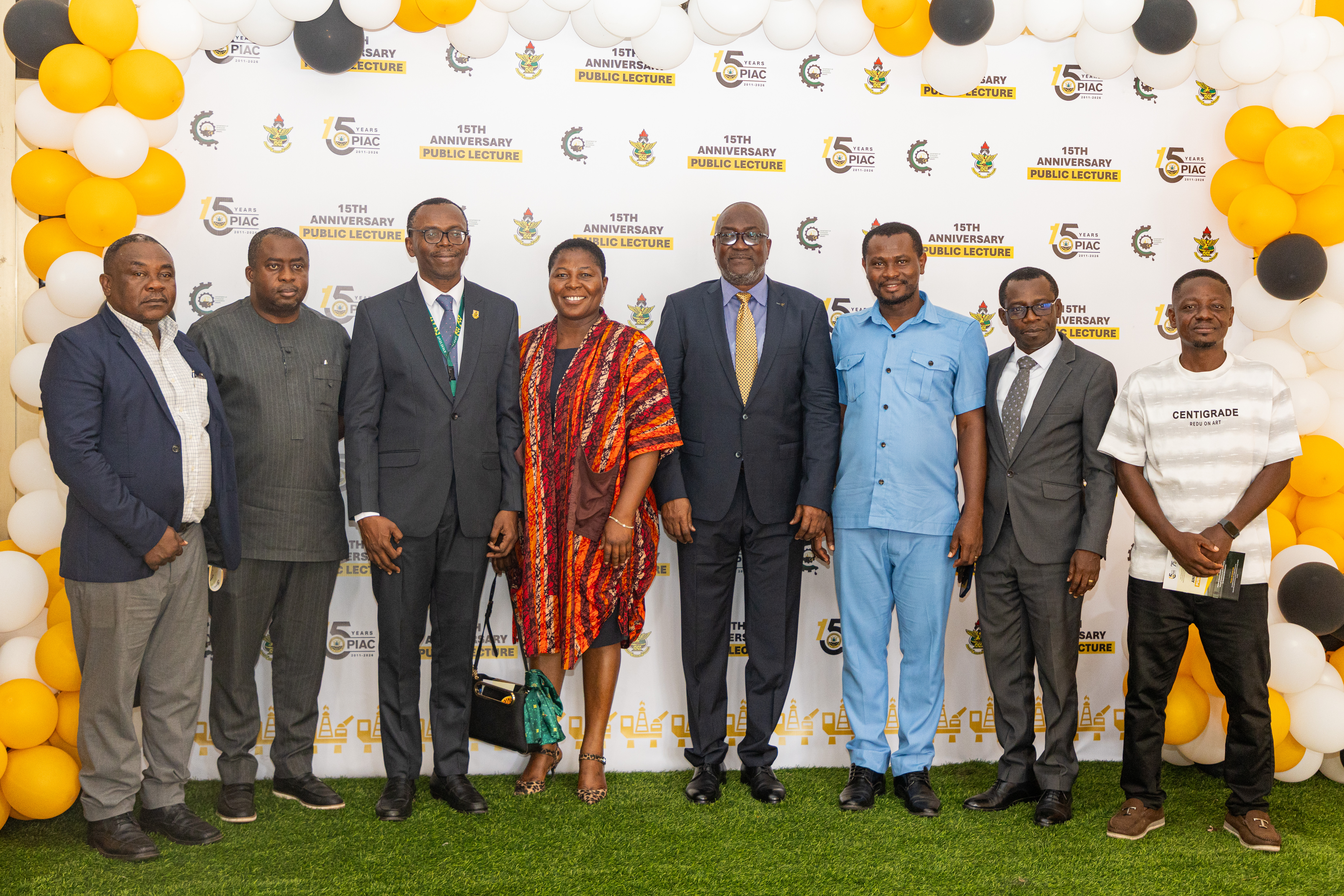
Professor Kwasi Prempeh, Executive Director of the Centre for Democratic Development (CDD-Ghana), has called for stronger accountability mechanisms to ensure authorities act on findings about Ghana’s petroleum revenue management and use the funds to support development.
He was speaking at a public lecture organised by the Public Interest and Accountability Committee (PIAC) in collaboration with the Department of Petroleum Engineering at the Kwame Nkrumah University of Science and Technology, Kumasi (KNUST).
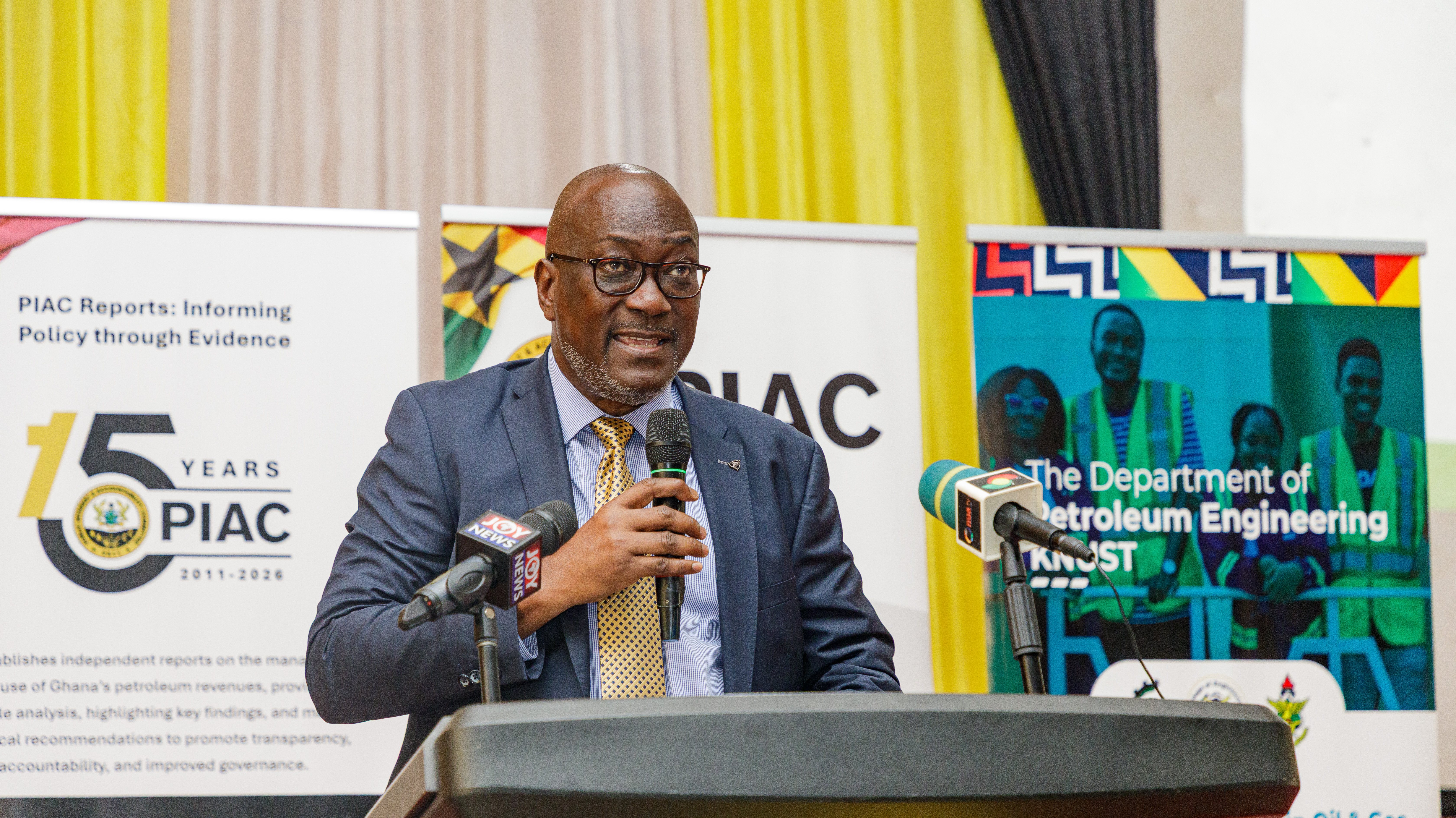
The lecture was held on the theme “PIAC at 15: Advancing Resource Governance through Transparency and Accountability for Sustainable Development.”
Professor Prempeh said PIAC’s reports, public engagements and project inspections had helped promote transparency, but more was needed to ensure its findings led to corrective action.
“Transparency is important and is critical for the public good. Accountability is the mechanism that attaches consequences when that information reveals problems,” he said.
He questioned whether 15 years of reporting had delivered accountability and corresponding development gains. Recurring concerns about petroleum revenue management, he said, showed the need for stronger institutional mechanisms to ensure authorities acted on PIAC’s findings and implemented its recommendations.
Professor Prempeh said engineers could help assess the quality and cost of infrastructure projects funded with petroleum revenues and determine whether they met required standards and specifications.
He called for closer collaboration among academia, government, industry, civil society and the public to ensure Ghana’s natural resources benefited present and future generations.
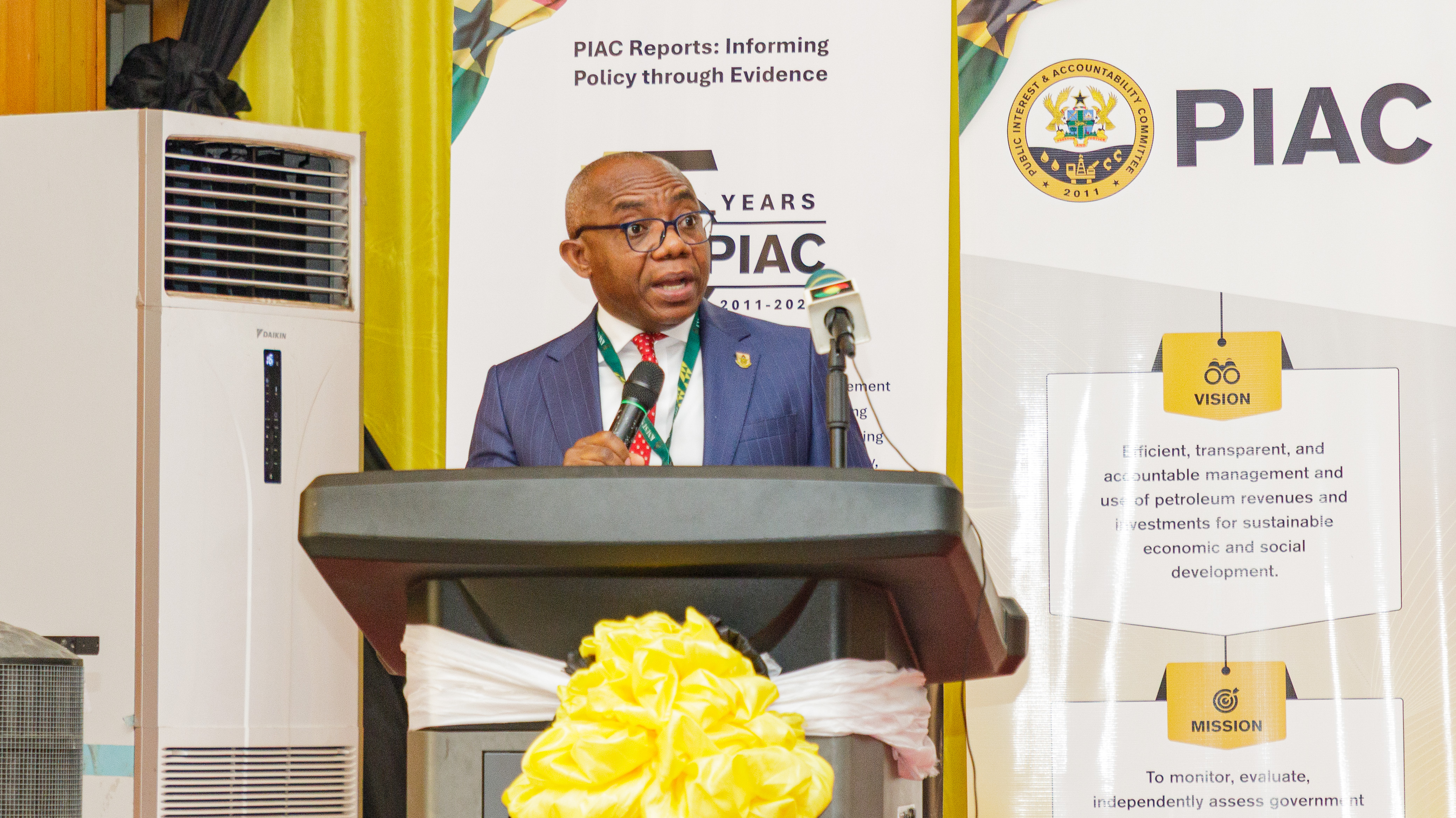
The Vice-Chancellor, Professor Christian Agyare, congratulated PIAC on its 15th anniversary and commended its work in monitoring petroleum revenues and promoting transparency and accountability.
He said the value of Ghana’s natural resources should be assessed by their impact on citizens’ lives.
“The true value of the nation’s natural resources is measured not by what is extracted from the ground, but what is stored in the lives of its people,” he said.
Professor Agyare said petroleum revenues could support education, healthcare, infrastructure, research, employment and economic transformation if managed and invested effectively.
He urged stakeholders to implement recommendations arising from PIAC’s work so that transparency and accountability translated into development gains.
He also called for investment in research, technology, knowledge and human capital, alongside stronger partnerships among universities, government institutions, industry and civil society to address national development challenges.
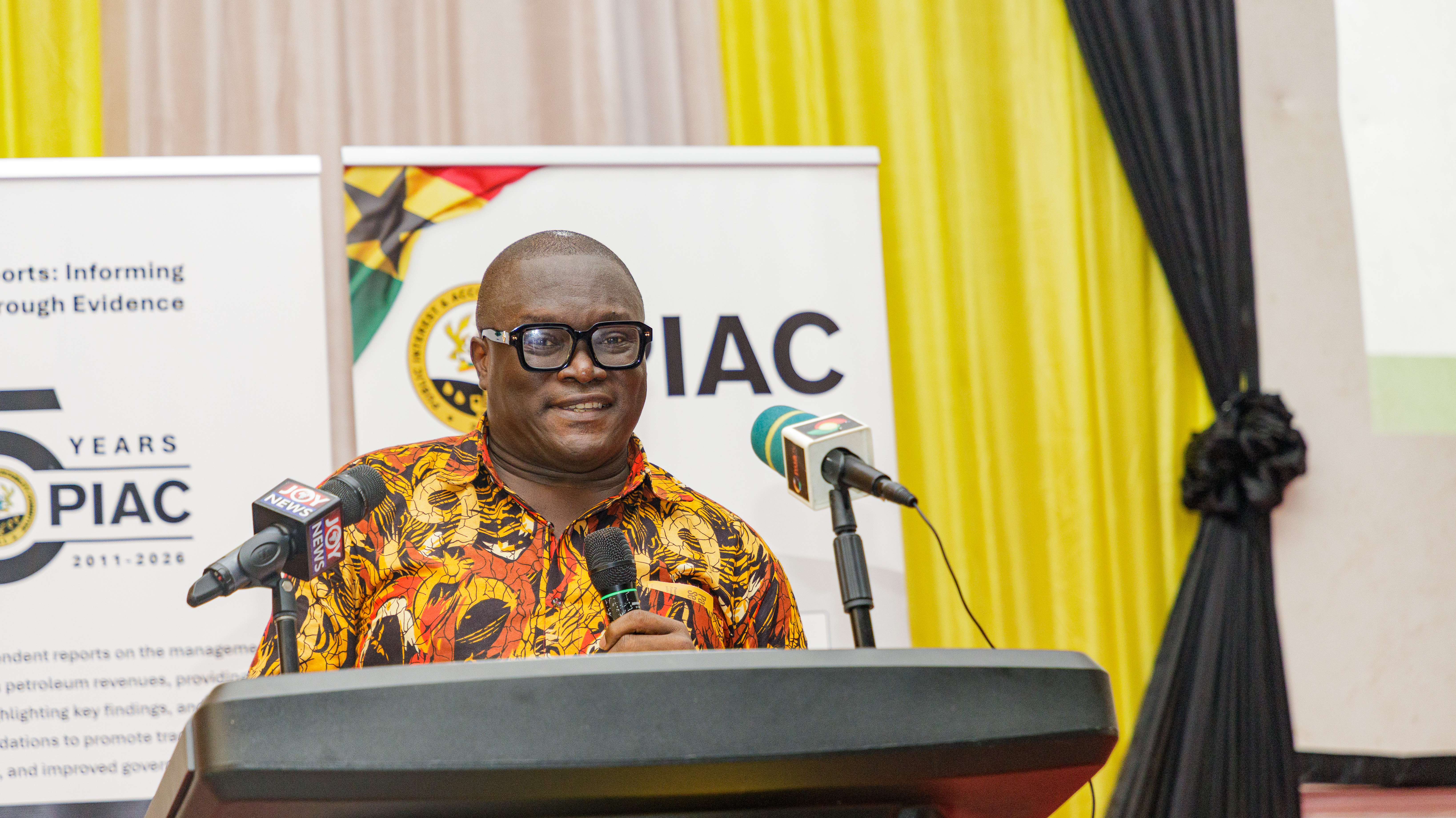
The Chair of PIAC, Mr Richard Alimah, described the committee’s 15th anniversary as a milestone in its work to promote transparency and accountability in petroleum revenue management.
He said PIAC had pursued its mandate under the Petroleum Revenue Management Act, 2011 (Act 815), through annual and semi-annual reports, public education, stakeholder engagements, project inspections and public forums across the country.
These activities had improved public understanding of petroleum revenue management and highlighted implementation gaps and challenges in the use of natural resources, he said.
Mr Alimah acknowledged continuing difficulties with access to information, the quality and sustainability of petroleum-funded investments, institutional coordination and the enforcement of oversight recommendations.
He called for prudent management and strategic investment of petroleum revenues to promote inclusive growth, improve livelihoods and support Ghana’s long-term development priorities.
Story: Eunice Asare Photos: Edwin Opoku Agyemang


